- Vodafone Idea Gets Extension
- Revenue Recovery Pushed Ahead
- Cabinet Decision on Dues
Article Today, New Delhi:
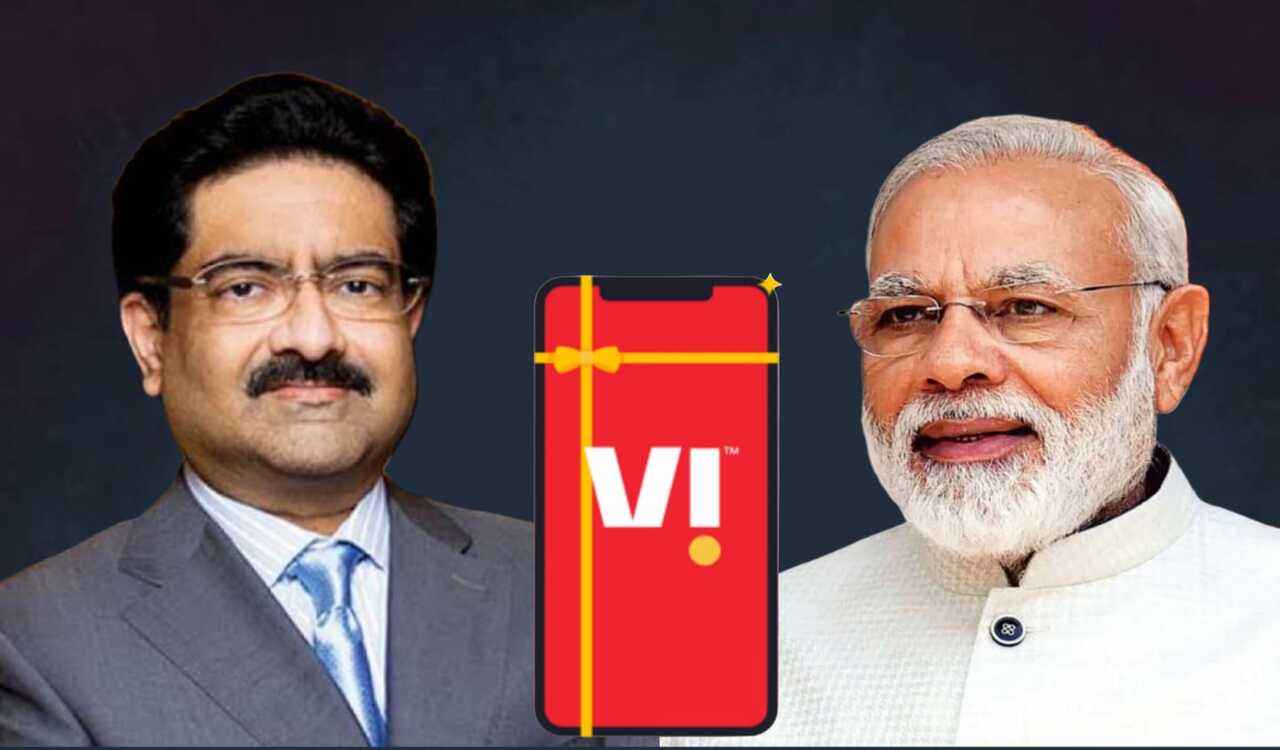
The Union Cabinet has approved a major relief package for Birla by deferring Vodafone Idea payment of adjusted gross revenue and spectrum-related dues amounting to about Rs. 87,695 crore. The decision allows the company to stagger payments over a long period beginning in the next decade, easing its immediate financial stress.
Timeline of Repayment
According to officials, the deferred dues will now be payable between the financial years 2032 and 2041. This effectively grants the telecom operator a moratorium of nearly a decade on both principal and interest payments. The move is part of the government’s broader effort to stabilise the telecom sector.
Company Ownership Structure
Vodafone Idea is the product of a merger between Idea Cellular and Vodafone India. The Indian operations are led by the Aditya Birla Group under industrialist Kumar Mangalam Birla, while the Vodafone Group is the overseas partner. The company has struggled with mounting debt and shrinking market share for several years.
Equity Conversion Background
In 2021, the Centre introduced an option allowing telecom operators to convert interest on dues into equity. As a result, in February 2023, the government acquired a significant stake in Vodafone Idea by converting unpaid interest into shares. Subsequent conversions raised the government’s holding to nearly 49 per cent, making it the largest shareholder.
Limited Fiscal Recovery
However, despite holding a substantial equity stake, the government has not received cash inflows from the company. The declining share value has restricted the possibility of monetising this holding without incurring losses. Therefore, the deferment of Rs. 87,000 crore in dues has raised concerns about the actual recovery of public revenue.
AGR Dues Context
Adjusted gross revenue dues arise from a revenue-sharing regime under which telecom operators must pay a portion of their earnings to the government. These liabilities increased sharply after the Supreme Court of India upheld a broad definition of AGR and directed operators to clear arrears within a fixed timeline.
Sector Stability Rationale
The government maintains that the relief is necessary to preserve competition in the telecom market. Officials argue that the failure of a major private operator could harm consumers and lead to market concentration. Meanwhile, critics point out that repeated concessions risk shifting corporate liabilities onto public finances.
Risk of Future Default
Economists note that if Vodafone Idea fails to revive operations or raise fresh capital, the deferred dues may eventually turn into unrecoverable revenue. In such a scenario, the government’s equity stake would offer limited protection against losses to the exchequer.
Broader Policy Debate
The decision has reopened debate on regulatory consistency and fiscal discipline. While the government, led by the Union Cabinet of India, insists the relief aligns with long-term sectoral interests, questions remain over whether similar flexibility would be extended to other distressed borrowers.
Impact on Consumers
In the near term, analysts do not expect the deferment to translate into lower tariffs or improved service quality. Instead, the relief primarily strengthens the company’s balance sheet. Therefore, the broader burden of unresolved telecom dues continues to be a subject of scrutiny in public finance discussions.