
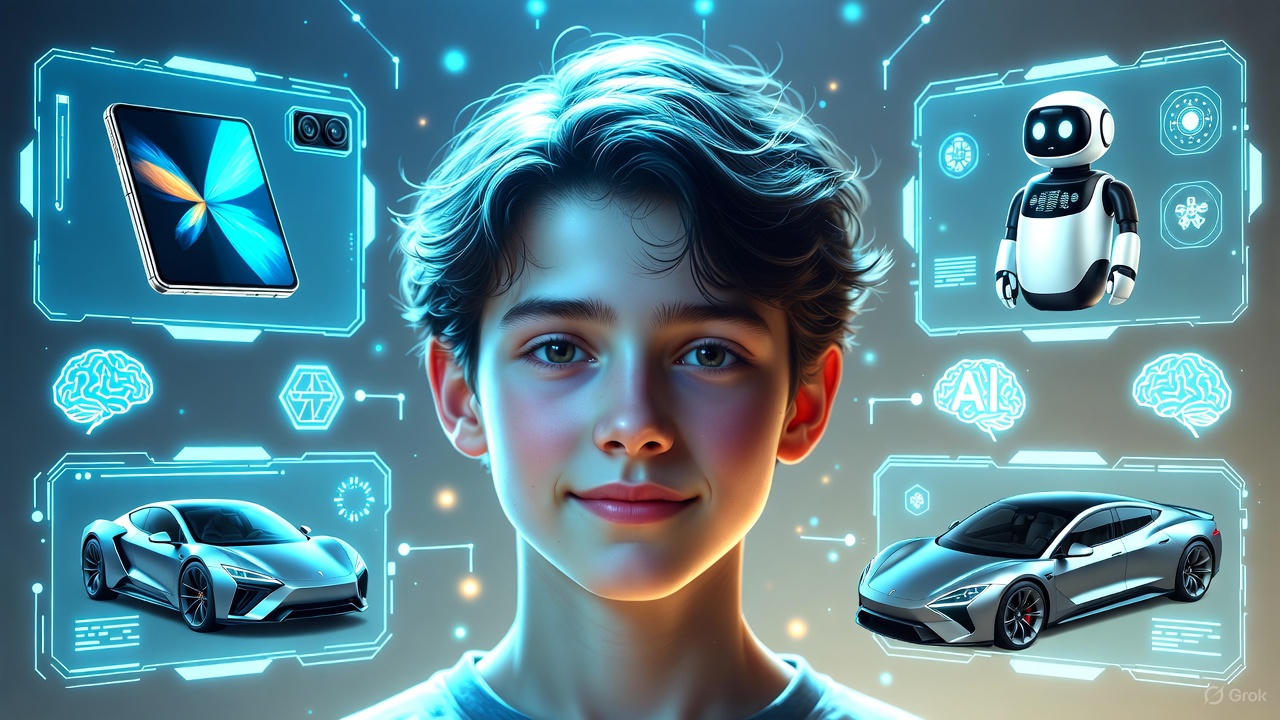
- Brain–computer Interfaces Advance Rapidly
- Robots Enter Everyday Households
- Cyber Risks Demand Stronger Safeguards
Article Today, Hyderabad:
The global technology landscape is set for significant change in the coming year. Innovations once confined to science fiction are moving closer to daily life. From smartphones to robotics, multiple sectors are preparing for transformation. However, experts caution that these advances also bring new social and security challenges, particularly with the rapid expansion of artificial intelligence.
Foldable Smartphones Gain Momentum
The smartphone industry is preparing for a fresh phase of innovation with the expected arrival of a foldable iPhone. Industry analysts suggest that Apple may introduce a book-style foldable device alongside its iPhone 18 series. The premium device is expected to be priced above Rs. 1,68,000. With this launch, the global foldable phone market is projected to grow by nearly 30 per cent by 2026, offering users new form factors and usage experiences.
Robots Move into Homes
Meanwhile, domestic robotics is moving beyond industrial settings. Robots designed to assist with household chores such as folding clothes and washing utensils are gradually entering consumer markets. Amazon has already deployed more than one million robots in its warehouses, reporting a 10 per cent increase in operational efficiency. Analysts believe similar technologies will soon become common in urban homes.
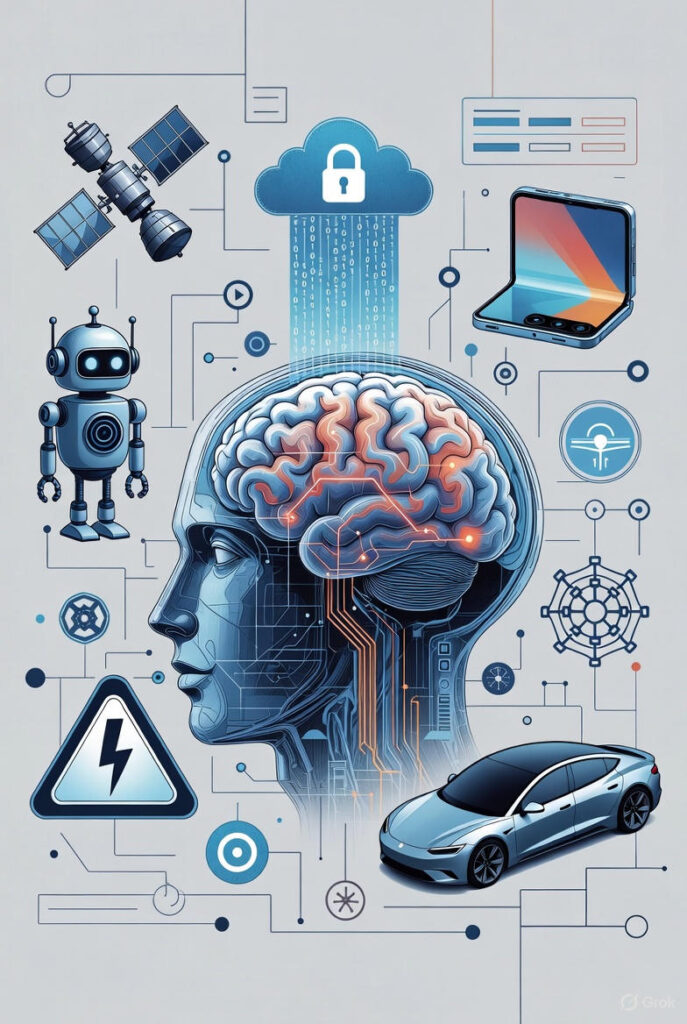
Brain–computer Interfaces Emerge
In addition, developments in brain–computer interface technology are attracting attention. Researchers are working on brain implants capable of interpreting neural signals. These systems aim to help people with speech or movement impairments communicate through thought alone. Medical experts see strong potential in rehabilitation and neurological care, with the possibility of operating computers or smartphones without physical input.
Electric Supercars and Autonomy
The transport sector is also witnessing rapid change. Electric vehicles, particularly high-performance electric supercars, are expected to gain visibility on roads worldwide. Companies such as BMW are testing autonomous driving technologies within controlled environments. These vehicles combine high speed with lower emissions, though high costs currently limit widespread adoption.
Rising Cyber Security Concerns
However, the acceleration of technology has heightened cyber security risks. Criminal networks are increasingly using AI tools for sophisticated attacks, including data theft and online fraud. Global investment in AI has crossed Rs. 134 lakh crore, yet security systems are struggling to keep pace. Banking networks and personal digital accounts remain particularly vulnerable.
Balancing Progress and Protection
Therefore, researchers and policy experts emphasise the need for strong regulatory frameworks and security measures. While emerging technologies promise convenience and efficiency, safeguarding privacy and digital infrastructure remains critical. The coming year is expected to test how societies balance innovation with responsibility.