- Pollution Sparks National Debate
- Southern Cities Draw Attention
Article Today, Hyderabad:
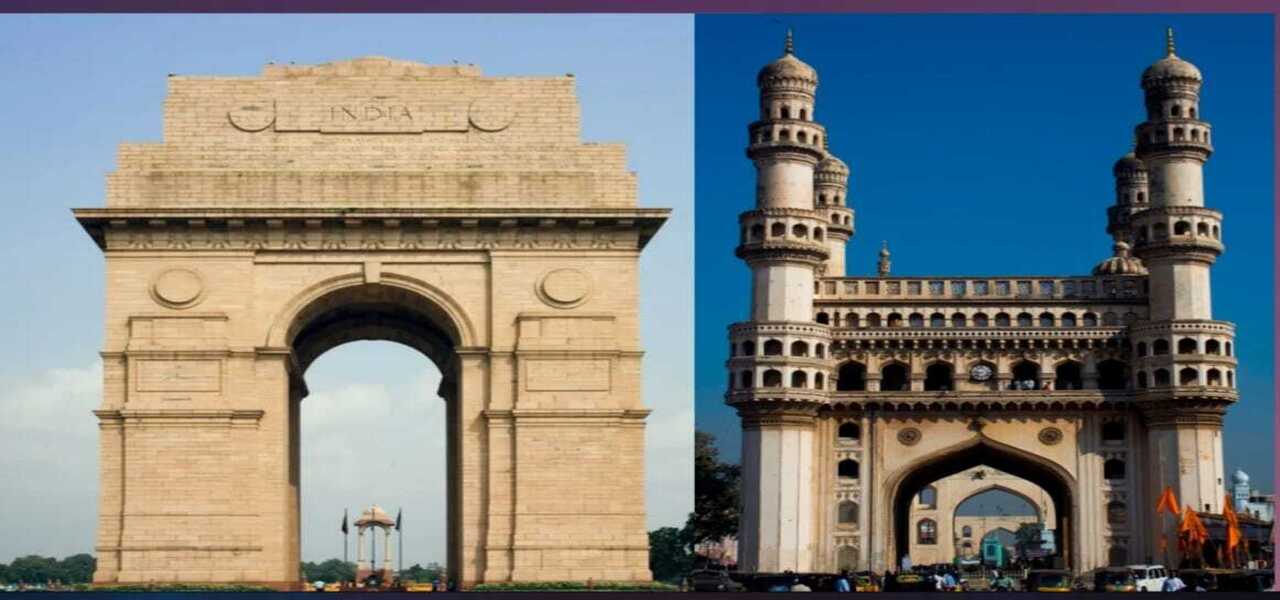
India’s national capital Delhi is facing mounting criticism as severe air pollution continues to affect daily life. Once a symbol of political power and historical pride, the city is now frequently described as unsafe and unliveable during peak pollution months. Concerns over health and quality of life have placed Delhi’s suitability as the capital under renewed public scrutiny.
A Viral Trigger
The debate gained momentum after a young woman from Delhi, currently residing in Bengaluru, shared a video on social media questioning whether a city struggling with toxic air and safety concerns should continue as the nation’s capital. Her remarks struck a chord with many users online. As the video spread rapidly, it triggered political reactions and intensified public discussion across platforms.
Air Pollution Crisis
Every winter, Delhi’s air quality deteriorates sharply, often turning the city into what experts describe as a gas chamber. Air Quality Index readings frequently cross 400, placing residents at serious health risk. Medical professionals warn that breathing such air can be equivalent to smoking several cigarettes a day. Despite repeated policy interventions and large public spending, the situation shows little improvement.
Safety Concerns Deepen Unease
In addition to pollution, concerns over women’s safety continue to trouble the capital’s image. Public perception, reinforced by crime data and personal accounts, suggests that fear has become an everyday reality for many residents. The combination of unsafe streets and toxic air has led to growing anxiety, particularly among young professionals and families.
Migration Towards the South
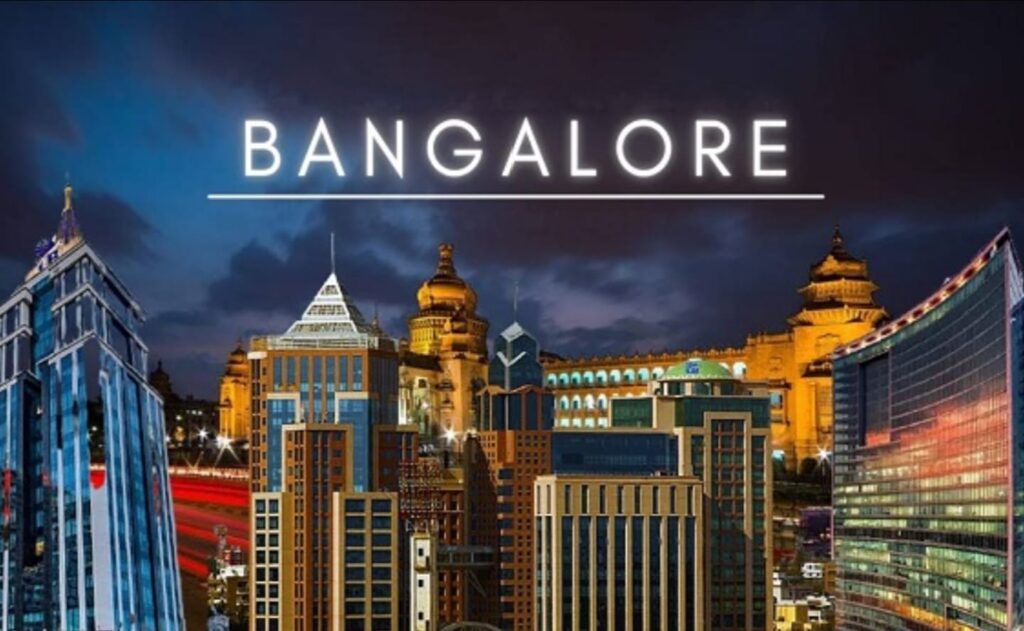
As a result, many residents from northern India are choosing to relocate to southern cities in search of better living conditions. Cities such as Hyderabad and Bengaluru are increasingly seen as offering cleaner environments, relatively better safety, and improved work-life balance. This migration, observers note, is driven not only by employment opportunities but also by the basic need for health and security.
Capital Shift Debate
Meanwhile, social media discussions have expanded into calls for reconsidering the location of the national capital itself. Supporters of this idea argue that a capital city should reflect the country’s aspirations and provide a safe, healthy environment for its residents. They point to global examples such as Indonesia, which decided to shift its capital citing environmental concerns, as a precedent worth examining.
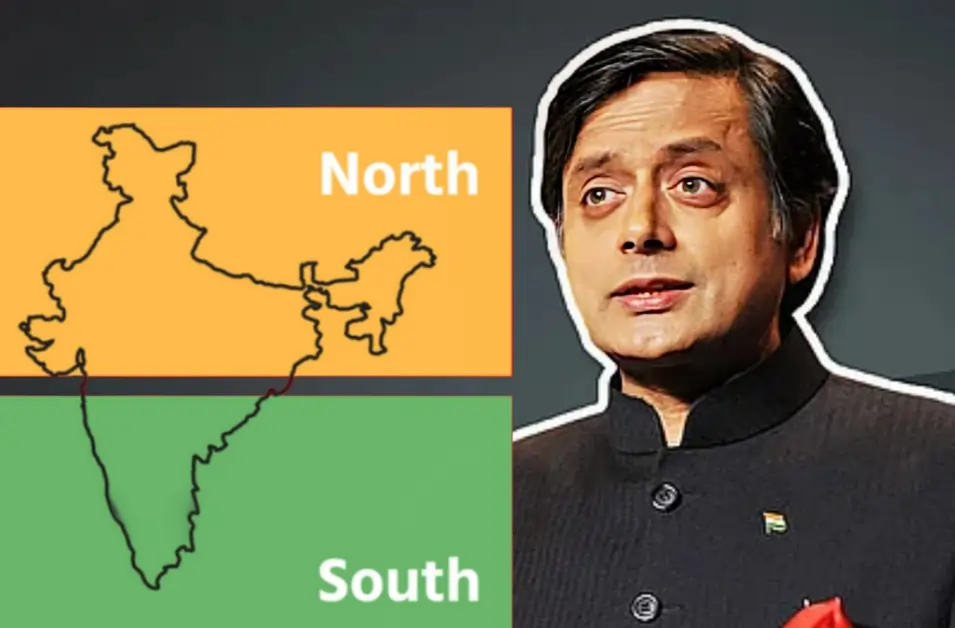
North Vs South Narrative
The debate has also taken on a regional dimension, with comparisons being drawn between northern and southern urban centres. Cities like Chennai, Hyderabad, and Bengaluru are often cited for better greenery and comparatively stable civic conditions. However, urban experts caution that no city is without challenges. While southern cities grapple with traffic and infrastructure stress, many argue that these issues are less life-threatening than extreme pollution.
Health as Priority
Public health specialists stress that the capital’s status cannot be divorced from the well-being of its residents. Clean air, safety, and access to basic services, they argue, are fundamental. A city that fails to provide these essentials risks losing both talent and credibility, regardless of its political importance.
Waiting for Action
As the debate continues, many young citizens see the viral video as a reflection of collective frustration rather than an isolated opinion. They are calling for urgent and decisive action to address pollution and safety in Delhi. Whether policymakers will respond with long-term solutions or dismiss the discussion remains to be seen. For now, the question of what truly defines a national capital has firmly entered public discourse.