
Article Today, Hyderabad:
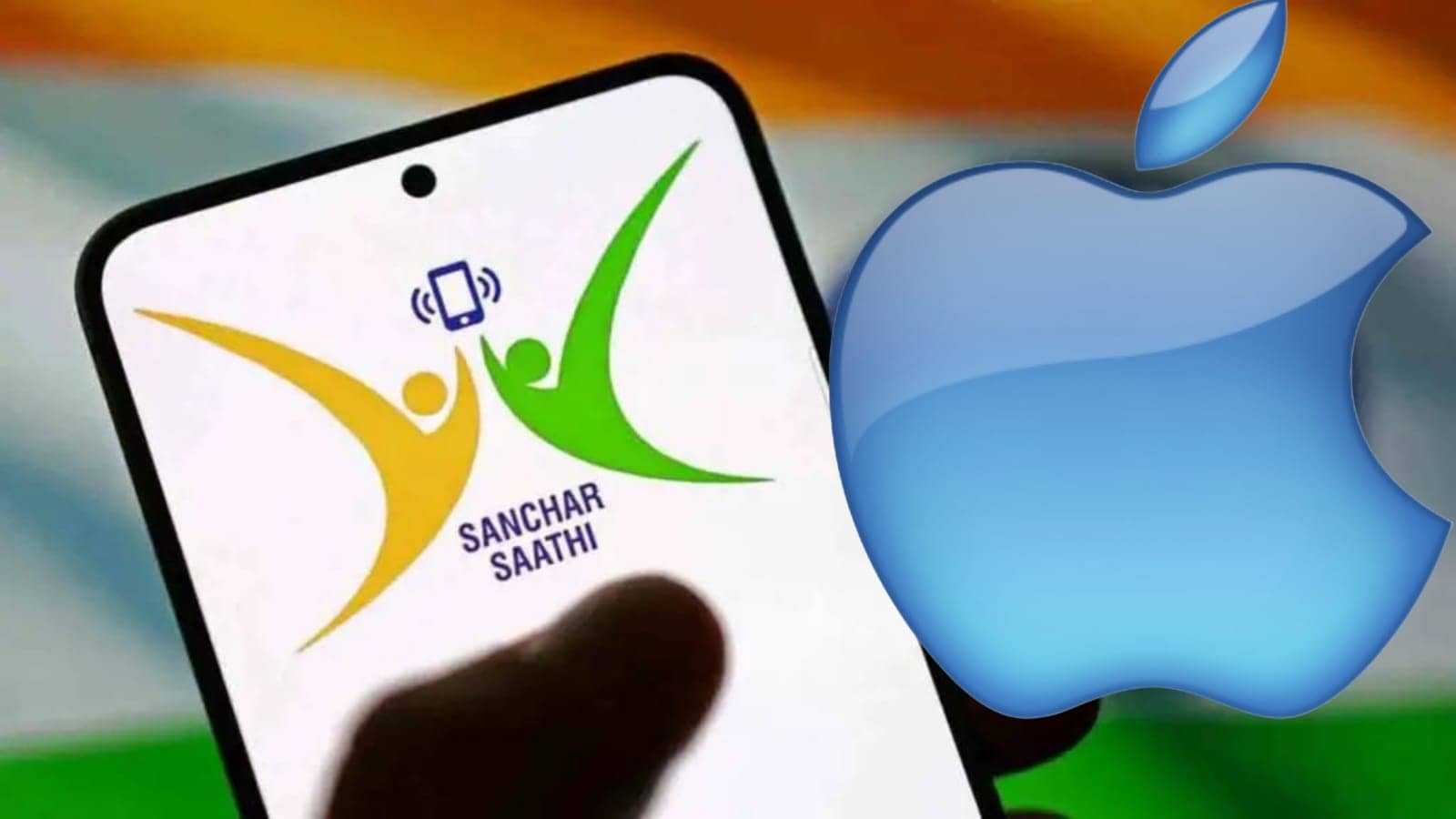
The Union government has clarified that the pre-installation of the Sanchar Saathi mobile application on smartphones is not mandatory. This clarification came after widespread criticism over reports that all new devices would be required to carry the cyber safety app by default. However, the Minister of State for Communications, Pemmasani Chandrasekhar, has continued to encourage citizens to download the application voluntarily.
Concerns Over Mass Surveillance
The app aims to help users track, block, and prevent misuse of stolen mobile phones. However, the move triggered concerns that the government was seeking access to data from nearly 73 crore smartphones across the country. Opposition parties and privacy advocates alleged that the measure could open the door to mass surveillance and weaken individual privacy protections.
Apple Takes a Firm Stand
Apple has formally conveyed its opposition to complying with any directive that compels the pre-installation of the app on iPhones. The company has stated that such a requirement goes against its global privacy and security standards. Apple has also indicated that it does not accept similar mandates in any country and has warned that the app could introduce potential security vulnerabilities into its tightly controlled iOS ecosystem.
Political Reaction Intensifies
The issue triggered sharp reactions in Parliament and on public platforms. Prime Minister Narendra Modi’s political opponents described the app as a tool for state surveillance. Congress leader K.C. Venugopal, in a social media post, demanded the withdrawal of the directive and warned against what he termed an attempt at excessive monitoring. In response to the mounting pressure, the Centre clarified that the app can be deleted at any time by users.
Open Source Versus Closed Systems
Meanwhile, industry sources have pointed out that the impact of the directive differs across operating systems. Apple runs a closed and tightly regulated software environment, while Android is largely open source. As a result, smartphone makers using Android, such as Samsung and Xiaomi, are reportedly reviewing how to respond to the government’s advisory. Therefore, the debate has widened into a broader discussion on the balance between digital security and personal privacy.
Uncertain Policy Direction Ahead
Although the government has temporarily stepped back from enforcing pre-installation, analysts say the authorities may continue to promote the app through other means. Meanwhile, legal experts and technology observers stress that any future move must be backed by transparent safeguards to protect citizens’ data and uphold constitutional privacy rights.