Article Today, America:
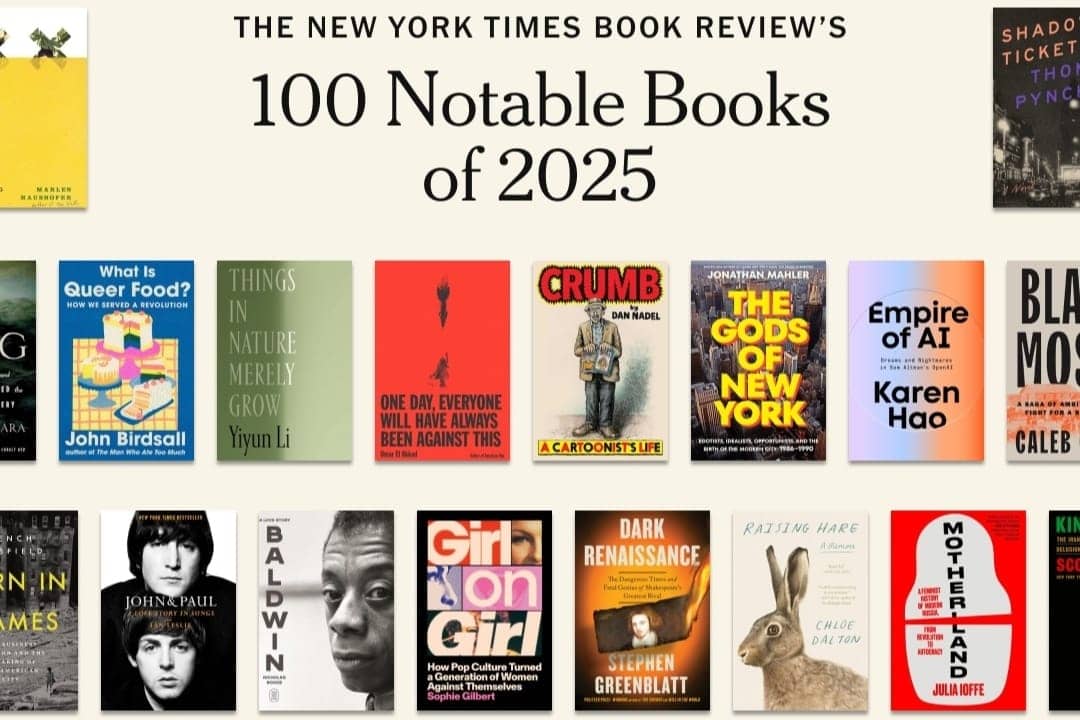
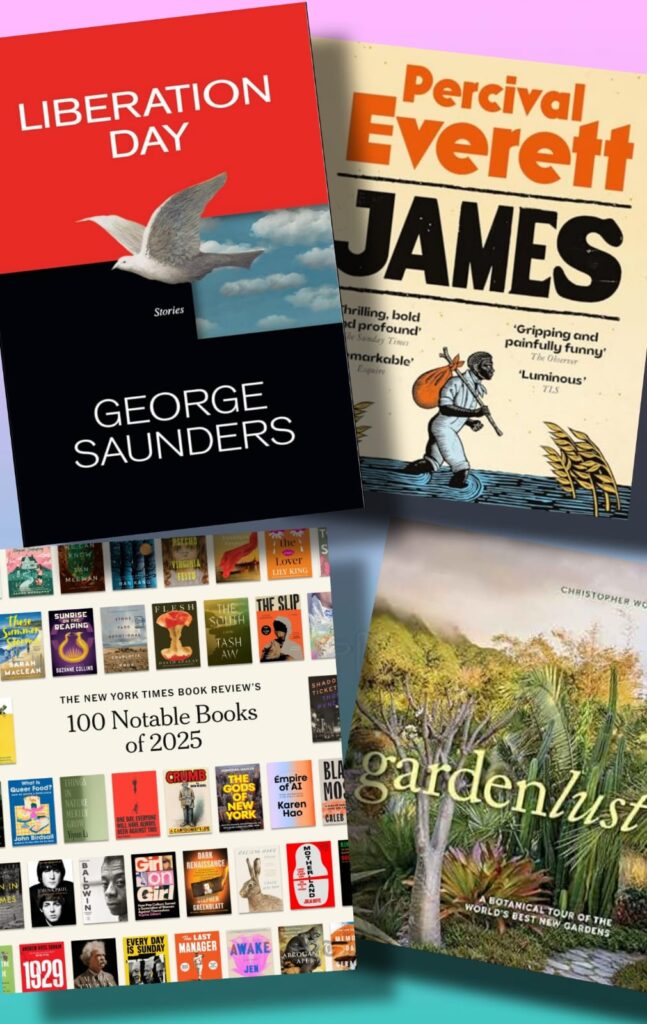
Writers from across the world have shaped global Literature conversations in 2025 with a wide range of themes and narrative styles. The New York Times has announced its annual list of 100 notable books, reflecting major social, political and technological concerns of the present time. The selected works span science fiction, historical fiction and social commentary, offering readers a broad and varied literary experience.
Technology and Human Conflict
One of the most widely discussed books on the list is Liberation Day by George Saunders. The collection explores the tension between advancing technology and human values. Through imaginative narratives, the author reflects on how modern innovations affect emotions, ethics and human relationships. As a result, the book has drawn attention for raising serious questions about the future of society in a technology-driven world.
Slavery Revisited Through Fiction
Meanwhile, James by Percival Everett has emerged as a major literary work revisiting America’s history of slavery. The novel reimagines the classic Adventures of Huckleberry Finn by Mark Twain from the perspective of Jim, the enslaved man. By shifting the narrative voice, the book presents a deeper account of suffering, resistance and survival. Critics have noted that the novel offers a fresh understanding of the social impact of slavery in the United States.
Diversity in the 2025 Selection
In addition, the 2025 list reflects a noticeable shift towards diversity in authorship and subject matter. Writers from Africa, Asia, Latin America and Europe feature prominently. Several debut authors have also found a place this year. Their works address themes such as identity, migration, war, family and memory. This broad representation has strengthened the global character of contemporary literature.
War and Family Narratives
Some of the most compelling stories this year focus on the impact of war on ordinary families. The novel Anasteline, set against the backdrop of European conflict, traces how a family’s identity is shaped by displacement and loss. At the same time, Rahma Hussain’s Velvet Is the Grass follows the emotional journey of a young woman seeking purpose and recognition in a changing society. These narratives highlight the personal cost of large political events.
Crossing Borders Through Storytelling
Literary styles in 2025 have also become more experimental. Science fiction blends with history and social realism. Camila Sharma’s In the Gardens of Lust examines Southeast Asian history through a multigenerational family narrative. Similarly, Jacqueline Woodson’s Black Garden portrays social change within a Brooklyn neighbourhood. These works show how personal stories continue to mirror wider political and cultural shifts.
Global Voices and Shared Themes
Meanwhile, international authors have addressed universal themes of survival, freedom and identity. From Latin America, Maya Lopez’s Howl of the Vultures explores a woman’s struggle against oppression. From Africa, Alicia Hall’s Afterlife reflects on loss and life beyond death. Together, these books demonstrate how literature increasingly speaks across borders and cultures.
A Guide for Readers
The New York Times’ list for 2025 serves as a guide to the most significant literary works of the year. Beyond critical recognition, these books capture the changing realities of societies worldwide. Therefore, the collection stands not only as a celebration of storytelling but also as a record of the ideas and concerns shaping the present generation.