
Article Today, South Korea:
South Korea is facing a rapidly ageing population, with nearly one-fifth of its citizens now aged 65 and above. The speed of this demographic shift has placed immense pressure on social security systems, family support structures, and mental health services. As traditional family care weakens, a growing number of elderly people are living alone, raising concerns about isolation and emotional well-being.
Loneliness and Mental Health Concerns
Loneliness among the elderly has emerged as a serious public health issue. Reports indicate that South Korea continues to record one of the highest rates of elderly suicide among developed nations. With weakening social bonds and limited daily interaction, many senior citizens are struggling with depression and a sense of abandonment.

Technology as a Support Tool
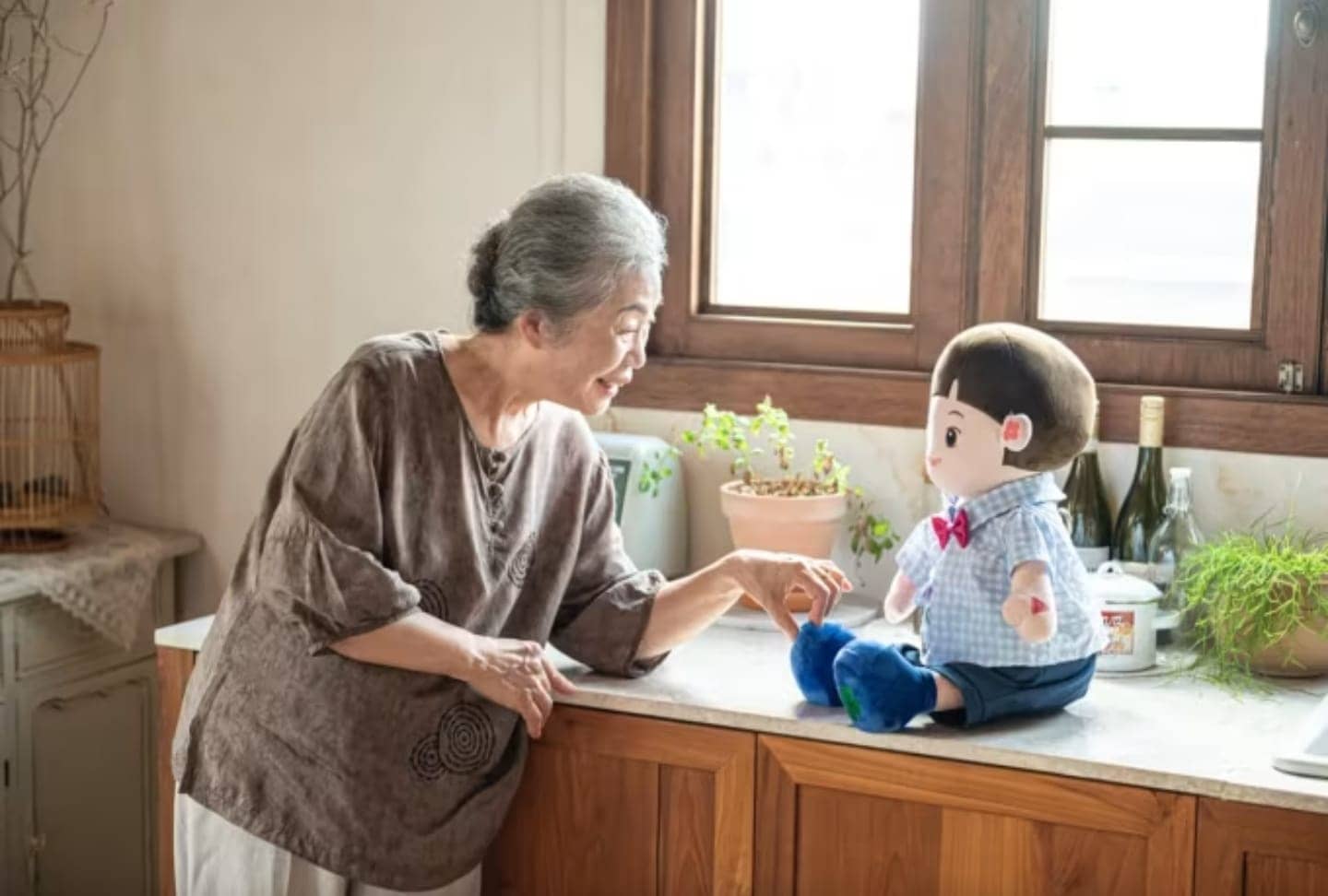
In response, the South Korean government has turned to technology to address emotional isolation among senior citizens. Artificial intelligence (AI) based companion robots, known as Hyodol, are being introduced to support elderly people living alone. These robots are designed in the form of a cheerful child and are programmed to interact through speech, touch, and basic emotional responses.
AI Robot is More than a Talking Device
However, the robots offer more than conversation. They remind users to take medicines, monitor daily routines, and send alerts to family members or caregivers in case of emergencies. Over 12,000 such robots have already been distributed under government-supported welfare programmes. Several early assessments suggest that regular interaction with these devices has helped reduce loneliness and improve memory and routine discipline among users.
Emotional Bonds and Ethical Questions
Meanwhile, the growing emotional attachment between elderly users and robotic companions has raised ethical concerns. In some cases, users have begun to treat the robots as real family members. Experts caution that while these devices are helpful tools, they should not replace human care, community engagement, or professional mental health support.
A Growing Care Economy
In addition, the market for elderly care robotics is expanding rapidly. With the ageing population expected to rise further, analysts project that the care-robot industry could grow into a major business sector by 2030. The challenge ahead lies in balancing technological support with sustained human connection in elderly care.