Article Today, Hyderabad:
The Chairperson of the 16th Finance Commission, Arvind Panagariya, submitted the Commission’s report to President Droupadi Murmu last week. The recommendations will determine the division of tax revenues between the Centre and the States for the five-year period beginning April 1, 2026. The Union Finance Ministry has stated that the report will be tabled in Parliament during the next Budget session. This development has already triggered concern among several southern States that believe their share may reduce further if older distribution patterns continue.
Concerns Over Declining Share
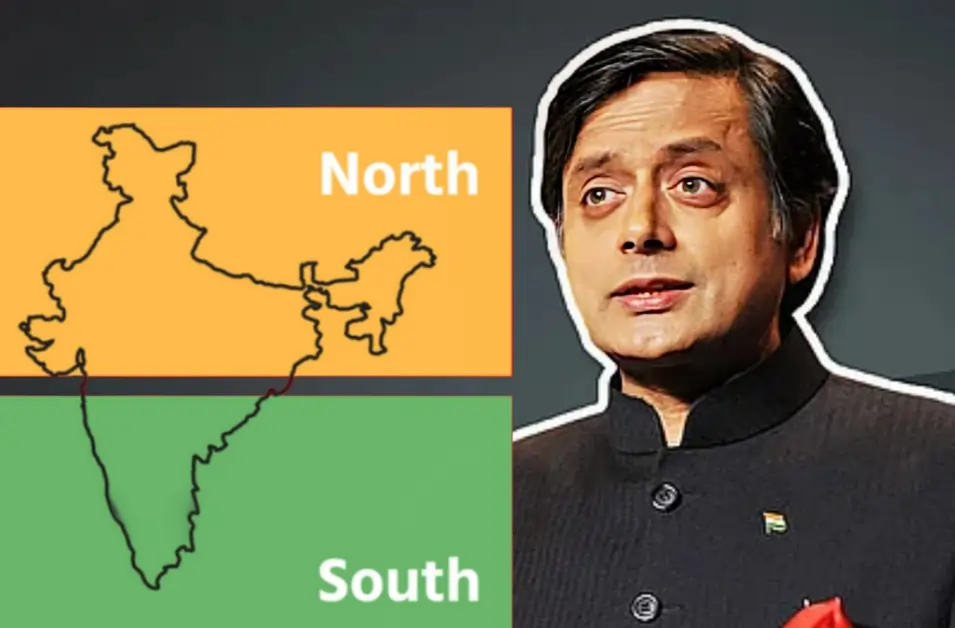
The latest submission has revived longstanding grievances in the southern region. Karnataka, Tamil Nadu, Kerala, Telangana, and Andhra Pradesh together contribute nearly forty per cent of the country’s GST revenues. However, they reportedly receive about twenty-eight per cent in return. Economists note that this mismatch is not new and stems from structural features in the existing formula. Southern governments fear that maintaining the same framework for the upcoming cycle could lead to substantial annual revenue losses. Early estimates from State officials suggest considerable financial impact if corrective changes are not made.
Debate on Fiscal Prudence and Expenditure Patterns
The Union Government argues that several northern States are under greater financial stress and require higher assistance due to increased expenditure commitments. However, southern leaders question whether States that maintain fiscal discipline should bear the outcomes of relatively expansive welfare spending in other regions. They insist that responsible taxation and budget management must not result in reduced allocations. Meanwhile, large-scale pre-election spending in some States has intensified debate on whether the current criteria sufficiently reward prudence.
Rising Political Resistance
The issue has taken on a sharper political tone in recent days. Leaders across the southern region allege that their higher tax contributions indirectly support increased central transfers to a few States, altering the broader political balance. They argue that the present mechanism does not adequately reflect differences in economic productivity. Several Chief Ministers have already indicated that they will consider political and legal measures if significant corrections are not introduced. They emphasise that equitable distribution is essential for sustaining cooperative federalism.
Call for Revised Allocation Criteria
Experts point out that demographic weightage in the 16th Finance Commission formula continues to be a key point of contention. States with stabilised or declining population growth argue that they should not be penalised for achieving developmental goals. In addition, southern States seek greater recognition of administrative efficiency, higher per-capita tax contributions, and stronger economic output. They maintain that a modernised formula is necessary to ensure balanced development across regions.
A Sensitive Phase in Centre–State Fiscal Relations
As the report moves toward parliamentary scrutiny, the debate is expected to intensify. State governments are preparing detailed submissions to the Centre to highlight the projected fiscal impact of the proposed recommendations. The coming Budget session will likely witness extensive discussion on the future of revenue sharing. Observers note that the outcome could shape Centre–State financial relations for the next decade, making this one of the most closely watched fiscal developments in recent years.